Best Balance Training in Seoul, Korea
Non-Surgical Orthopedic Care
Myeongdong Relief Orthopedics
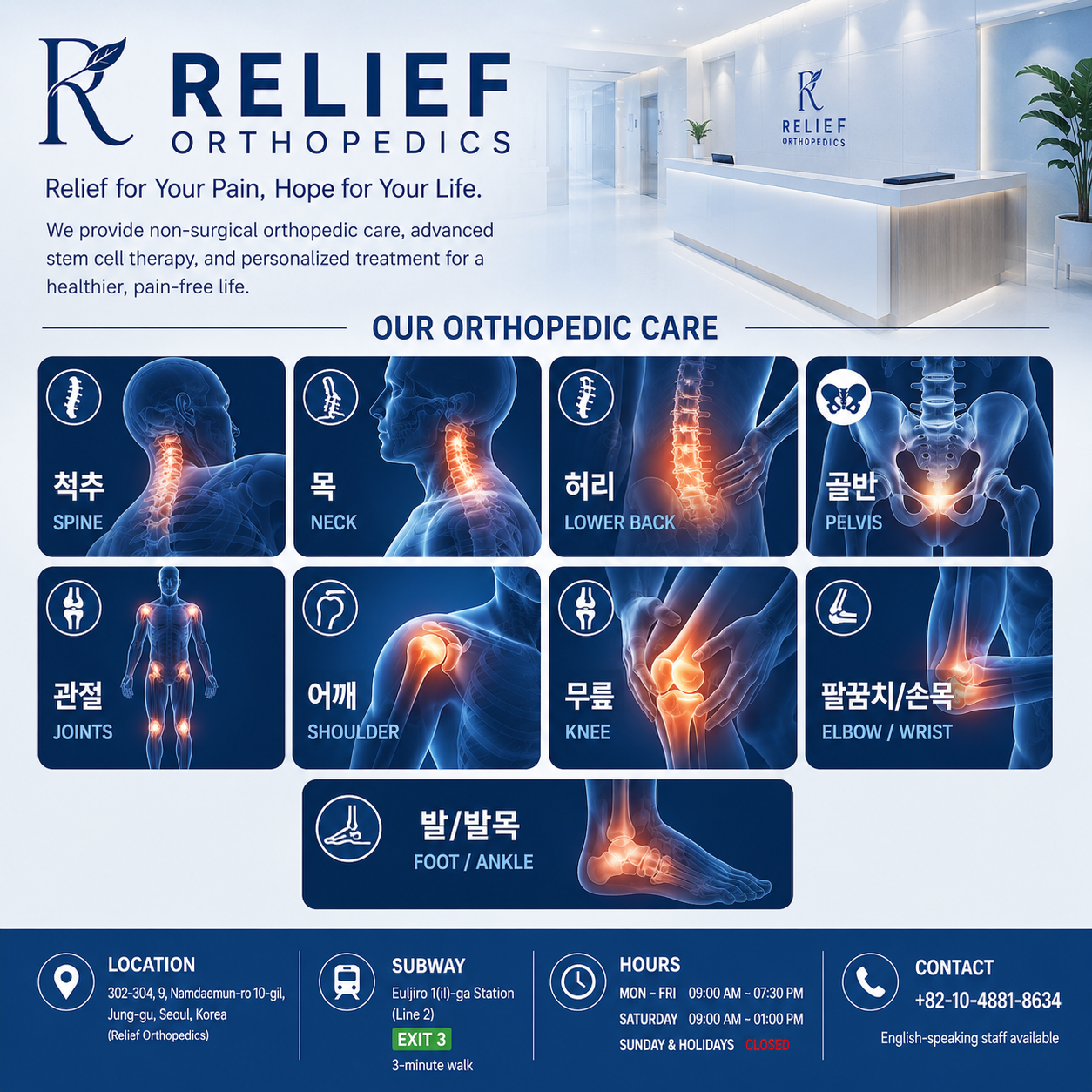
Relief Orthopedics provides comprehensive balance training in Myeongdong, Seoul, focusing on improving stability, coordination, and fall prevention. Our orthopedic specialists design individualized programs using movement retraining, core strengthening, proprioceptive exercises, posture correction, and rehabilitation therapy to restore safe functional mobility without surgery.
Balance training is essential for improving stability, coordination, and body control during daily movement and physical activity. At Relief Orthopedics, we provide structured non-surgical balance training programs designed to improve posture stability, prevent falls, and restore functional movement control.
Balance issues may result from musculoskeletal injuries, neurological weakness, aging-related decline, or post-surgical recovery. Our goal is to restore safe and confident movement through personalized rehabilitation programs.
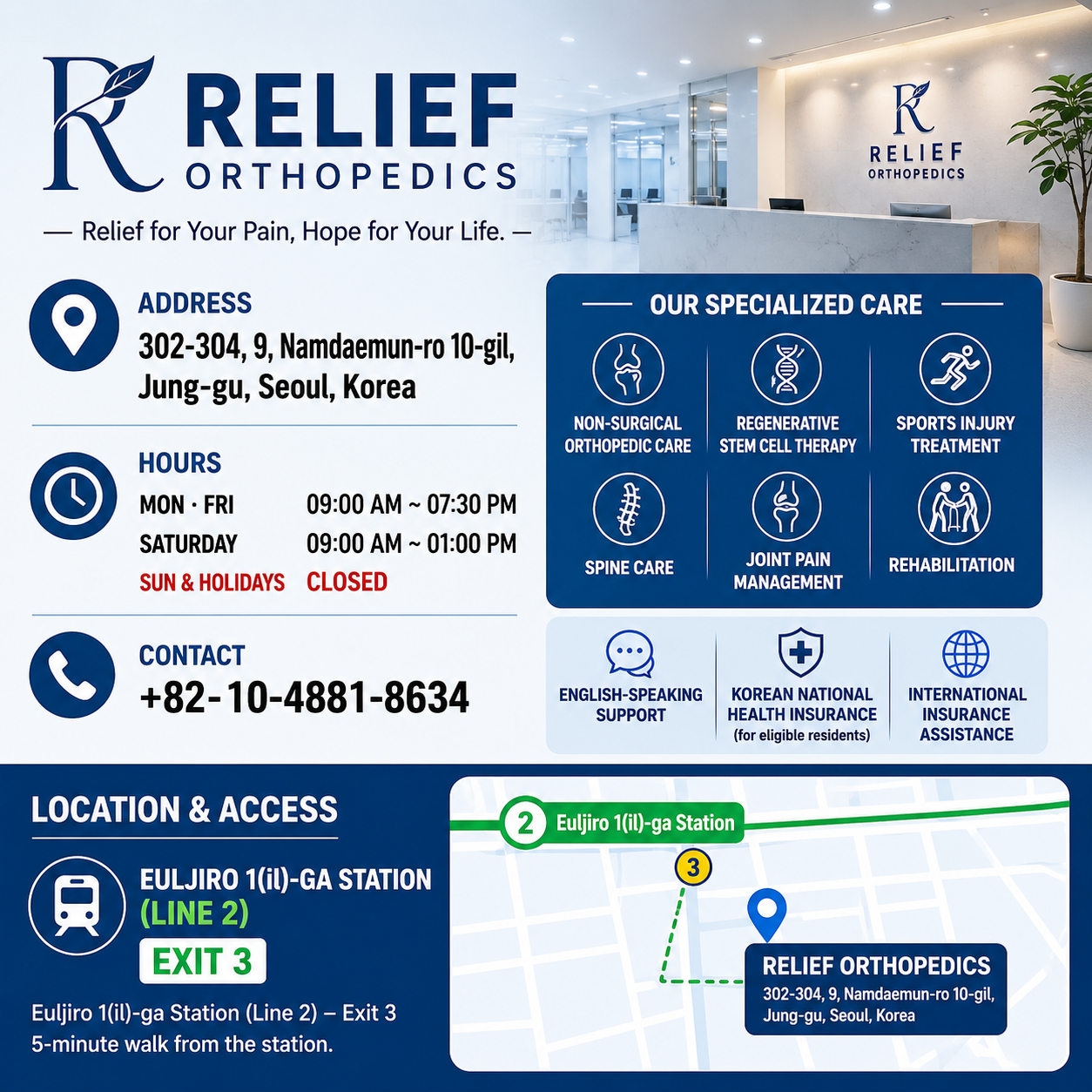
Conveniently located in the heart of Myeongdong, our clinic supports both local patients and international visitors seeking advanced orthopedic rehabilitation in Seoul.
Relief Orthopedics
9, Namdaemun-ro 10-gil, Jung-gu, Seoul, Korea
Common Conditions We Treat
- Balance instability
- Gait imbalance
- Post-surgical instability
- Ankle instability
- Knee instability
- Hip weakness-related imbalance
- Neuromuscular weakness
- Sports-related coordination issues
- Age-related balance decline
- Fall risk in elderly patients
- Vestibular-related imbalance support
- Post-injury coordination deficits
- Core instability
- Poor posture-related imbalance
- Functional movement disorders
Symptoms That Should Not Be Ignored
Many patients ignore early signs of balance dysfunction until falls or injuries occur.
Common symptoms include:
- Frequent loss of balance
- Feeling unsteady while walking
- Difficulty standing on one leg
- Dizziness during movement
- Weakness in lower limbs
- Fear of falling
- Difficulty walking on uneven surfaces
- Poor coordination during activity
- Slower reaction during movement
- Post-injury instability
Our Comprehensive Balance Training Treatments
Orthopedic Evaluation
A detailed assessment identifies the root cause of imbalance including musculoskeletal, neurological, or post-surgical factors.
Movement Stability Training
Focused exercises improve coordination, joint control, and movement accuracy.
Core Strengthening Programs
Strengthens deep core muscles to improve overall body stability.
Proprioception Training
Enhances body awareness and joint position control to reduce fall risk.
Gait Training
Improves walking pattern, stride stability, and functional mobility.
Posture Correction
Corrects misalignment that contributes to instability and imbalance.
Functional Mobility Training
Restores safe movement patterns for daily life activities.
Fall Prevention Programs
Designed especially for elderly patients to reduce fall risk and improve confidence.
Why Choose Relief Orthopedics?
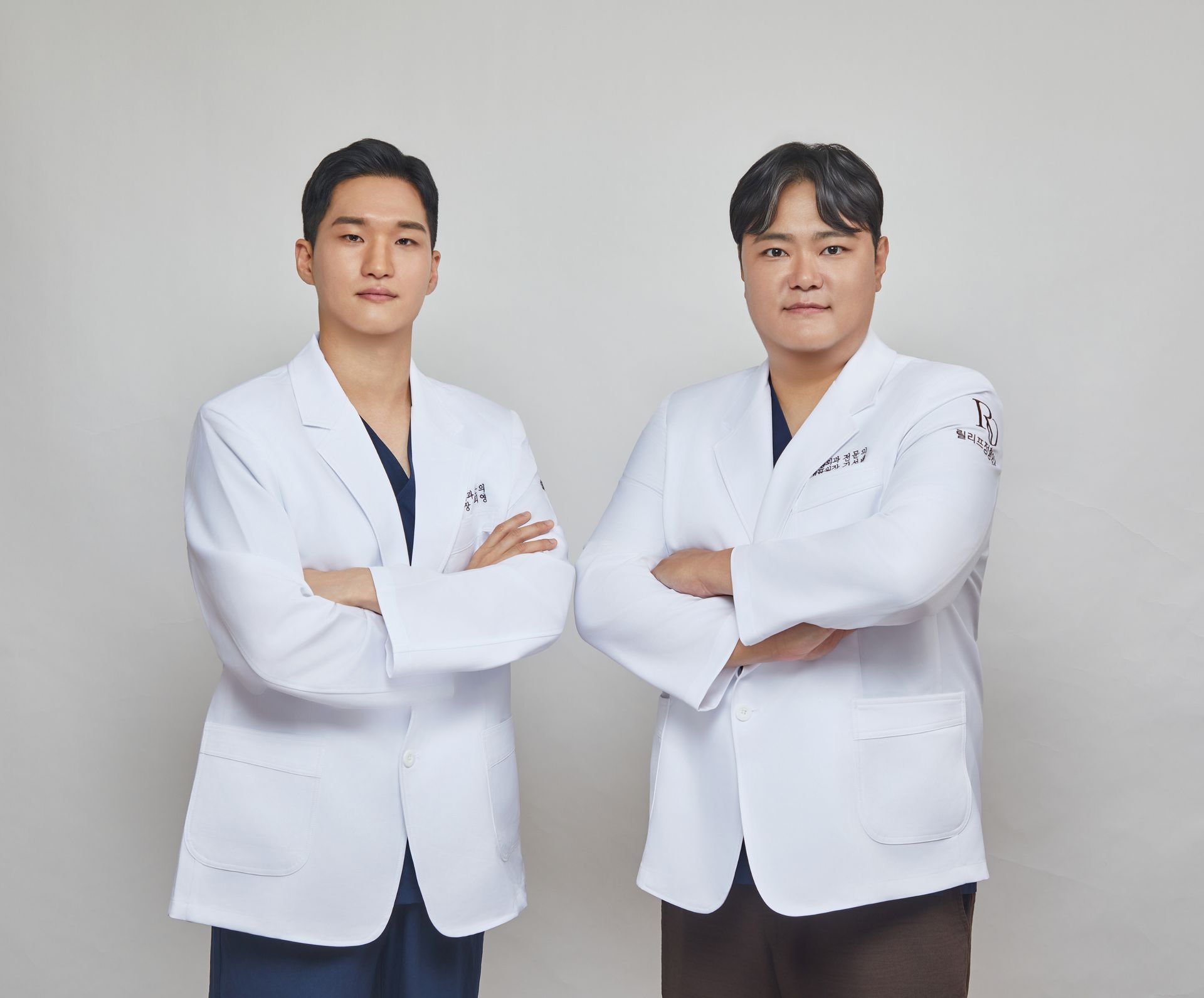
- Orthopedic specialists experienced in functional rehabilitation
- Personalized balance and stability training programs
- Non-surgical treatment approach
- Advanced movement analysis techniques
- Fall prevention-focused care
- International patient-friendly services
- English-speaking assistance
- Central Myeongdong location
- Long-term mobility improvement focus
- Transparent rehabilitation planning
Who Can Benefit?
- Elderly patients with fall risk
- Post-surgery rehabilitation patients
- Athletes with coordination issues
- Patients with ankle or knee instability
- Individuals with chronic dizziness-related imbalance
- Stroke recovery support patients
- Office workers with weak core stability
- Post-injury rehabilitation patients
- Individuals with poor posture and instability
- International patients in Seoul
Frequently Asked Questions
What is balance training?
Balance training is a rehabilitation method that improves stability, coordination, and body control during movement.
Who needs balance training?
It is recommended for elderly patients, post-injury patients, athletes, and anyone with instability or fall risk.
Can balance training prevent falls?
Yes. It significantly improves stability and reduces the risk of falls, especially in older adults.
How long does balance training take?
Duration varies depending on condition severity and patient goals, ranging from weeks to months.
Is balance training difficult?
Exercises are customized and gradually progressed based on individual ability.
Can it help after surgery?
Yes. It is commonly used in post-surgical rehabilitation to restore stability and function.
Can international patients receive treatment?
Yes. Relief Orthopedics provides full balance training services for international patients in Seoul.