Comprehensive Guide to Tendon - Ligament Treatment Seoul,Korea at Myeongdong Relief Orthopedics
Tendon and ligament injuries can develop from sudden trauma, repetitive movement, overuse, sports activity, poor technique, or age-related tissue degeneration. At Relief Orthopedics, we provide comprehensive non-surgical care designed to reduce pain, restore stability, and help patients return safely to daily activities and exercise.
Conveniently located in the heart of Myeongdong, our clinic welcomes local residents and international patients seeking personalized, evidence-based treatment for tendon and ligament conditions.
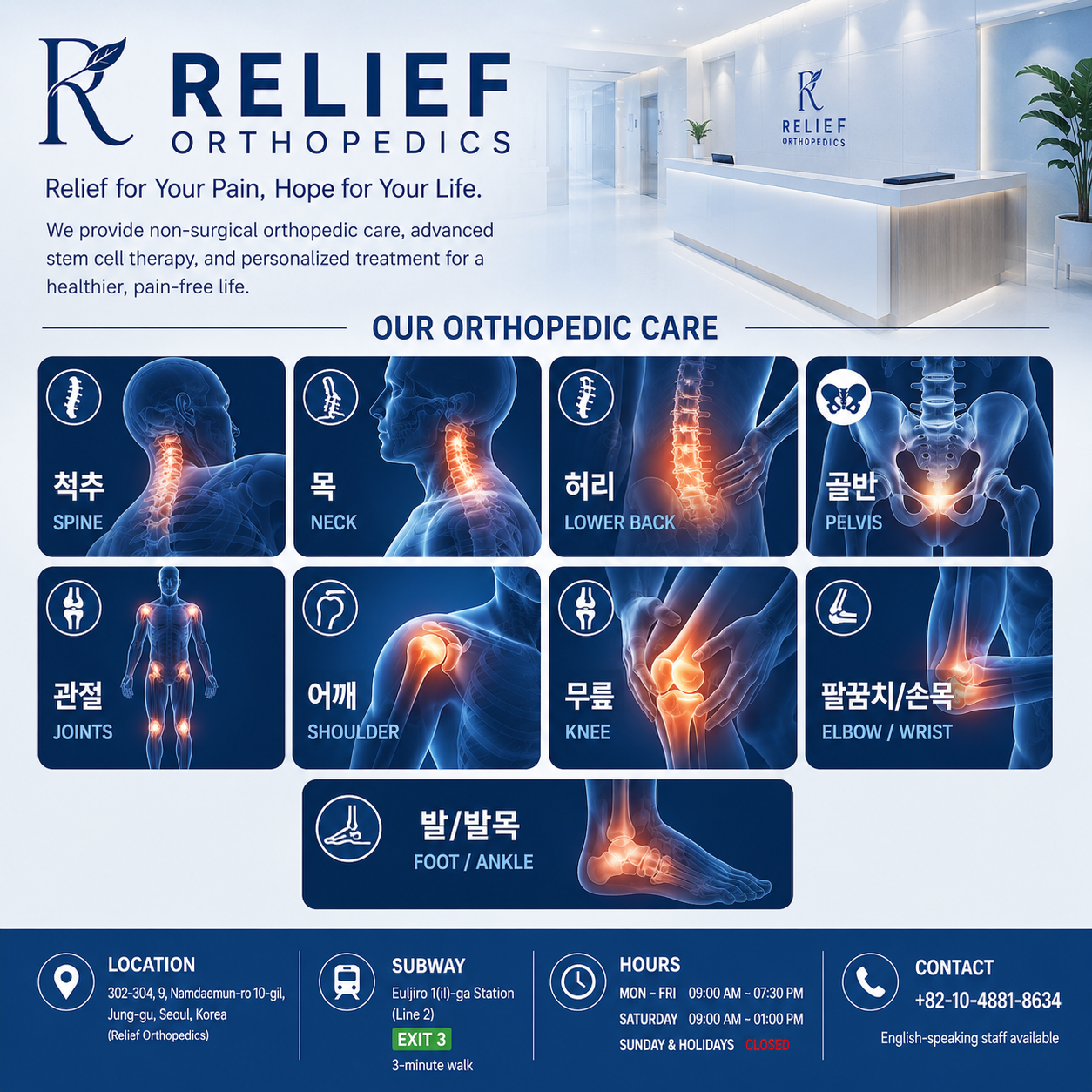
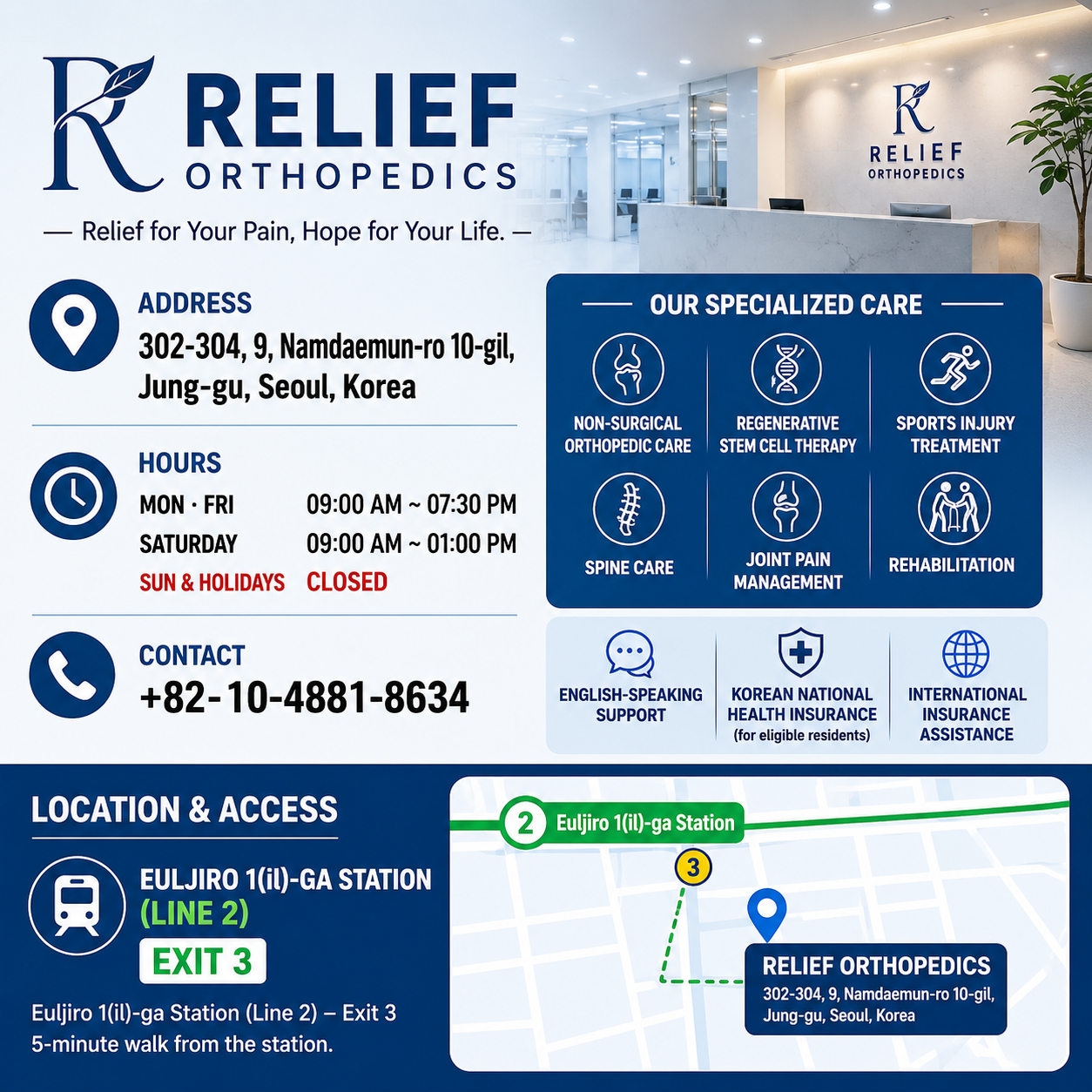
Relief Orthopedics
9, Namdaemun-ro 10-gil, Jung-gu, Seoul, Korea
Common Tendon and Ligament Conditions We Treat
- Rotator cuff tendinopathy
- Tennis and golfer’s elbow
- Wrist and hand tendon injuries
- Hip and groin tendon pain
- Patellar tendinopathy
- Achilles tendinopathy
- Ankle ligament sprains
- Knee ligament injuries
- Shoulder ligament injuries
- Repetitive strain injuries
- Tendon inflammation
- Chronic tendon degeneration
Symptoms That Should Not Be Ignored
Tendon and ligament injuries may begin with mild discomfort before gradually affecting movement, strength, and joint stability.
Common symptoms include:
- Persistent pain during movement
- Swelling or tenderness
- Joint instability
- Muscle weakness
- Reduced range of motion
- Pain during exercise
- Clicking or catching sensations
- Difficulty bearing weight
- Pain after repetitive activity
- Symptoms that do not improve with rest
Our Non-Surgical Tendon and Ligament Treatments
Orthopedic Injury Evaluation
Every treatment begins with a detailed examination to identify the injured tendon or ligament and determine the severity of the condition. Imaging may be recommended when necessary to evaluate tears, inflammation, degeneration, or surrounding soft tissues.
Physical Therapy and Rehabilitation
Personalized rehabilitation programs help restore movement, rebuild strength, improve flexibility, and support safe recovery.
Manual Therapy
Hands-on therapy helps reduce stiffness, relieve muscle tension, and improve movement around the injured area.
Therapeutic Exercise
Customized exercises strengthen supporting muscles, improve joint stability, and gradually increase the injured tissue’s ability to tolerate activity.
Movement and Technique Correction
Our specialists evaluate exercise technique, posture, workplace habits, and repetitive movement patterns to reduce strain and prevent reinjury.
Shockwave Therapy
Shockwave therapy may help stimulate tissue healing and relieve chronic tendon pain caused by overuse or degeneration.
Ultrasound-Guided Injections
When appropriate, ultrasound-guided injections allow medication to be delivered accurately around painful or inflamed tendons, ligaments, or surrounding tissues.
Return-to-Activity Rehabilitation
Structured rehabilitation helps patients gradually return to work, exercise, and sports while reducing the risk of recurring injury.
Why Choose Relief Orthopedics?
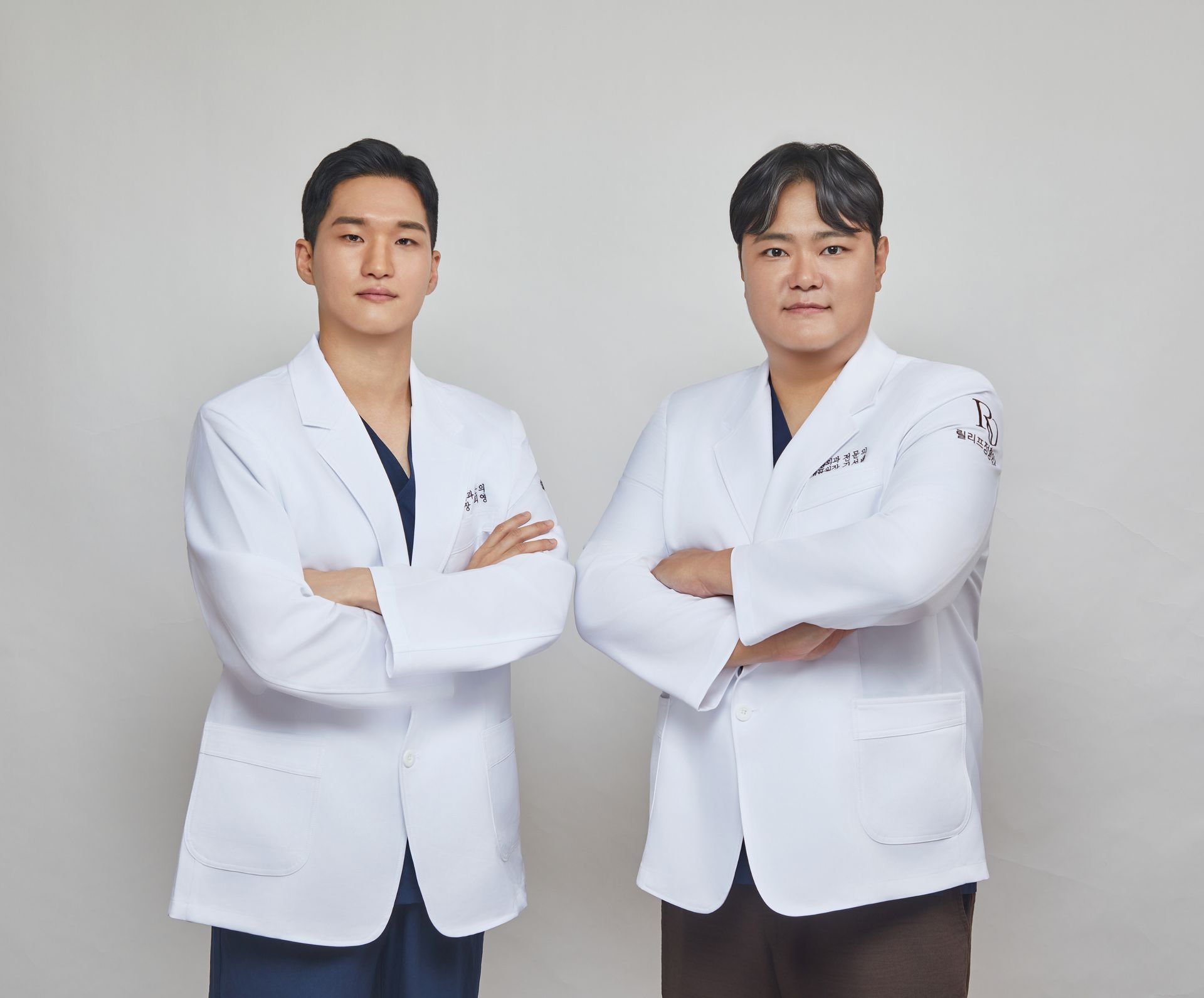
- Orthopedic specialists experienced in tendon and ligament injuries
- Focus on conservative, non-surgical treatment
- Personalized rehabilitation plans
- Modern diagnostic equipment
- Ultrasound-guided treatment options
- English-speaking assistance
- Convenient Myeongdong location
- Transparent treatment recommendations
Who Can Benefit?
Our tendon and ligament treatments are suitable for:
- Recreational athletes
- Runners and gym participants
- Golf and tennis players
- Office and manual workers
- Patients with repetitive strain injuries
- Patients recovering from sprains
- Patients with chronic tendon pain
- Patients wishing to avoid surgery
Frequently Asked Questions
What is the difference between a tendon and a ligament?
A tendon connects muscle to bone and helps produce movement. A ligament connects bone to bone and helps stabilize a joint.
Can tendon and ligament injuries heal without surgery?
Yes. Many mild to moderate injuries improve through rehabilitation, activity modification, therapeutic exercise, medication, and image-guided treatment when needed.
Do I always need an MRI?
No. Many injuries can be evaluated through a medical history, physical examination, and ultrasound. MRI may be recommended when a significant tear or deeper structural injury is suspected.
How long does recovery take?
Recovery depends on the severity of the injury. Mild sprains or tendinopathy may improve within several weeks, while partial tears or chronic degeneration may require several months of rehabilitation.
Should I stop exercising completely?
Not always. Many patients can continue modified activities that do not worsen symptoms. Your orthopedic specialist will recommend safe exercises during recovery.
What is tendinopathy?
Tendinopathy is a condition involving pain and degeneration within a tendon, often caused by repetitive stress or overuse.
When should I seek immediate medical attention?
Seek prompt evaluation if an injury causes severe swelling, visible deformity, inability to move or bear weight, sudden loss of strength, significant instability, or rapidly worsening pain.
Can international patients receive treatment?
Yes. Relief Orthopedics welcomes international patients, expatriates, visitors, and medical travelers seeking non-surgical tendon and ligament treatment in Seoul.